Subscribe to our newsletter
Thank you! Your submission has been received!
Oops! Something went wrong while submitting the form.
2026 SAF TEhnika JSC
All rights reserved
All rights reserved


Deploying and maintaining satellite communication terminals often exposes unpredictable signal conditions and alignment challenges. Weather, interference and misaligned antennas can reduce link quality, disrupt transmissions and delay mission-critical communications.
Installing and maintaining satellite terminals has always meant working through the hub. Peak the antenna, call the NOC, wait for feedback, adjust, call again. Every step depends on someone else's eyes on the spectrum. When coordination breaks down or a reading looks "good enough," terminals go live with marginal alignment or undetected interference – and poorly commissioned VSATs already account for a significant share of satellite interference cases.
.avif)
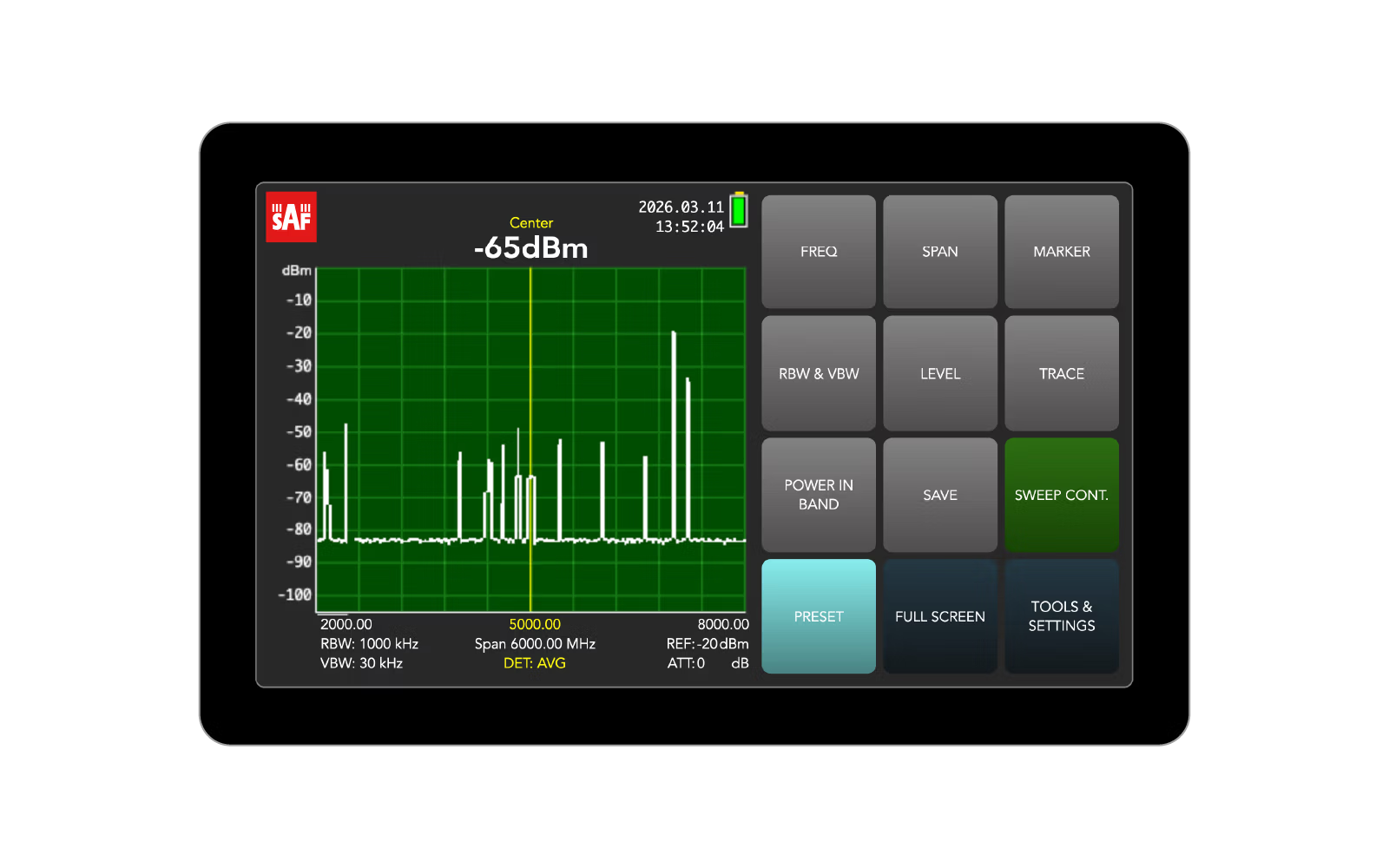
Spectrum Compact puts that visibility in the installer's hands. Target carrier, adjacent satellite signals, cross-pol isolation, and carrier-to-noise, all on screen without calling the hub. It works with gloves, toggles to high-contrast for outdoor conditions, and records hundreds of hours of data.
For full motion antenna builds where a target signal isn't available at the right frequency, SG Compact provides a known CW reference to align against.
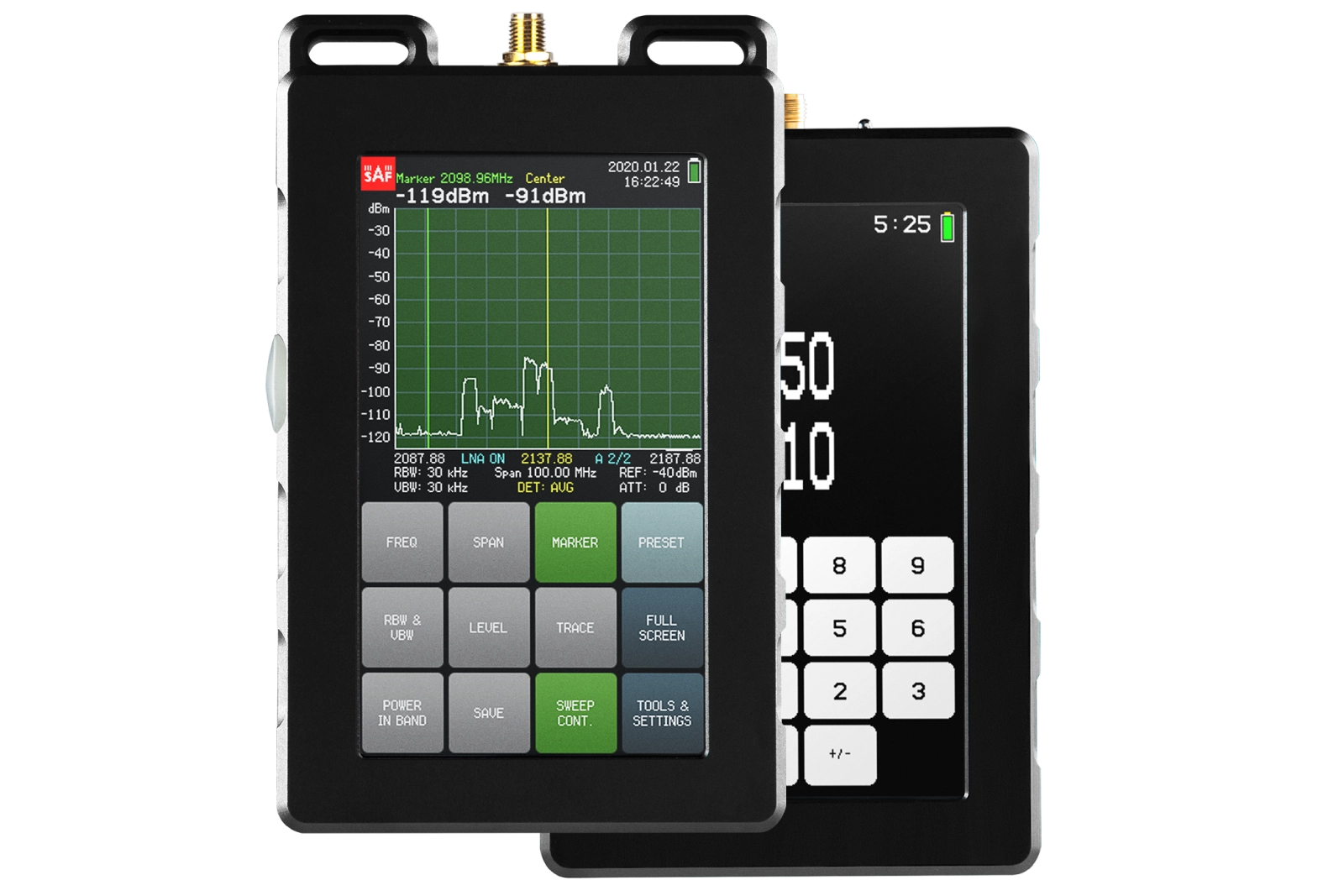


Once commissioned, Spectrum Compact can stay on site in monitor mode – feeding spectrum data back to the operations center remotely. When performance drops, there's a continuous record showing exactly when and how. Without that, troubleshooting a degraded link at a remote site starts with a trip and a guess.
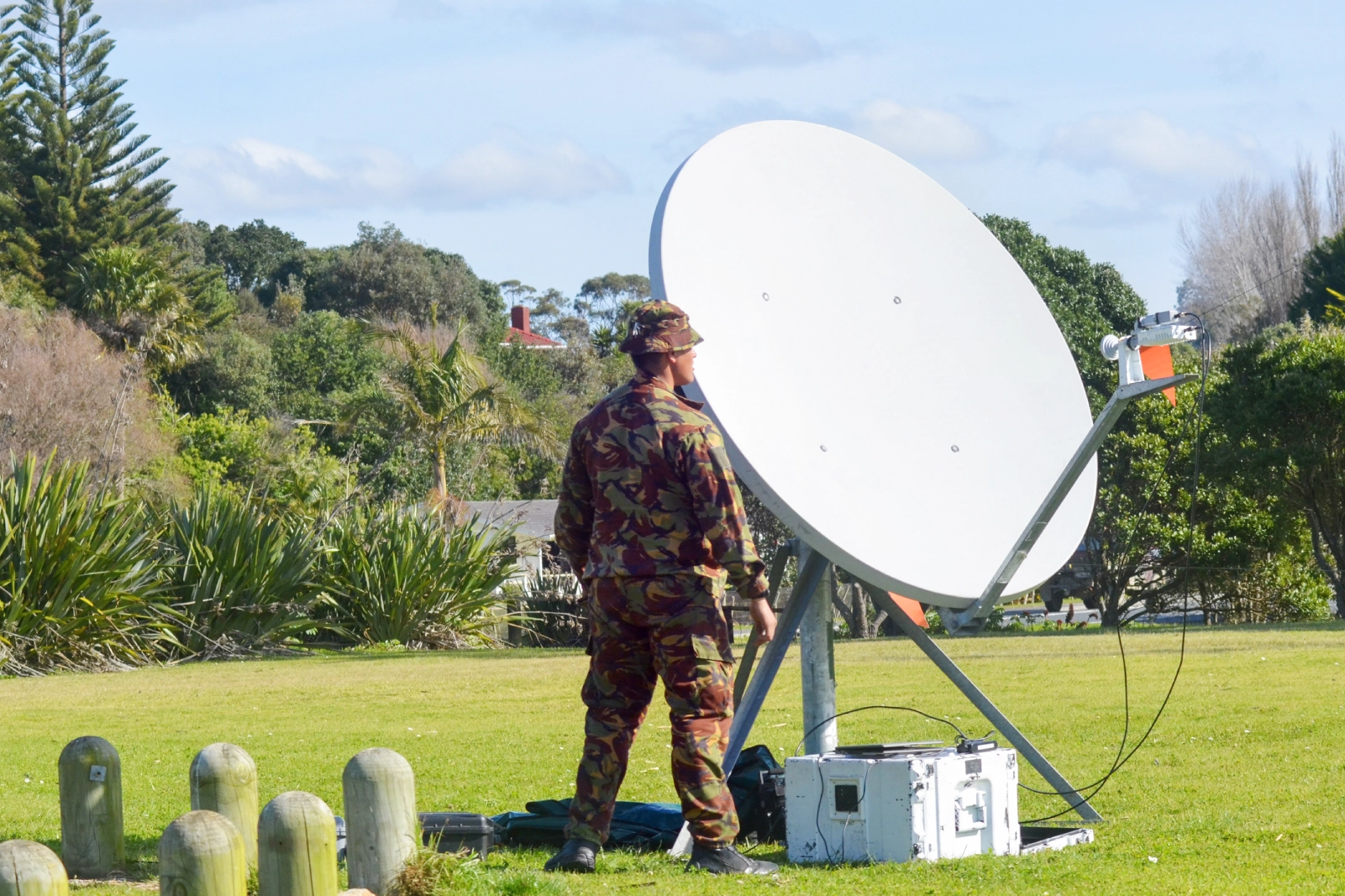
Not sure how Spectrum Compact supports antenna alignment, carrier verification, and interference checks in satellite communication scenarios.