Subscribe to our newsletter
Thank you! Your submission has been received!
Oops! Something went wrong while submitting the form.
2026 SAF TEhnika JSC
All rights reserved
All rights reserved


Accurate antenna alignment is critical for reliable microwave link performance. Even minor misalignments can reduce signal strength, degrade coverage, and force repeated tower climbs. In long-distance or high-frequency links, small errors may go unnoticed with conventional tools, yet they directly impact KPIs and network stability. Ensuring antennas are properly aligned is one of the simplest steps that can dramatically improve link performance.
Despite its importance, antenna alignment can be surprisingly difficult. Weak signals, reflections from buildings or water, and side-lobe interference often mislead technicians using traditional voltage meters or multimeters. Misaligned antennas cause lost throughput, repeated site visits, and wasted labor. Environmental factors like Fresnel zone obstruction or narrow-beam antennas increase complexity further.
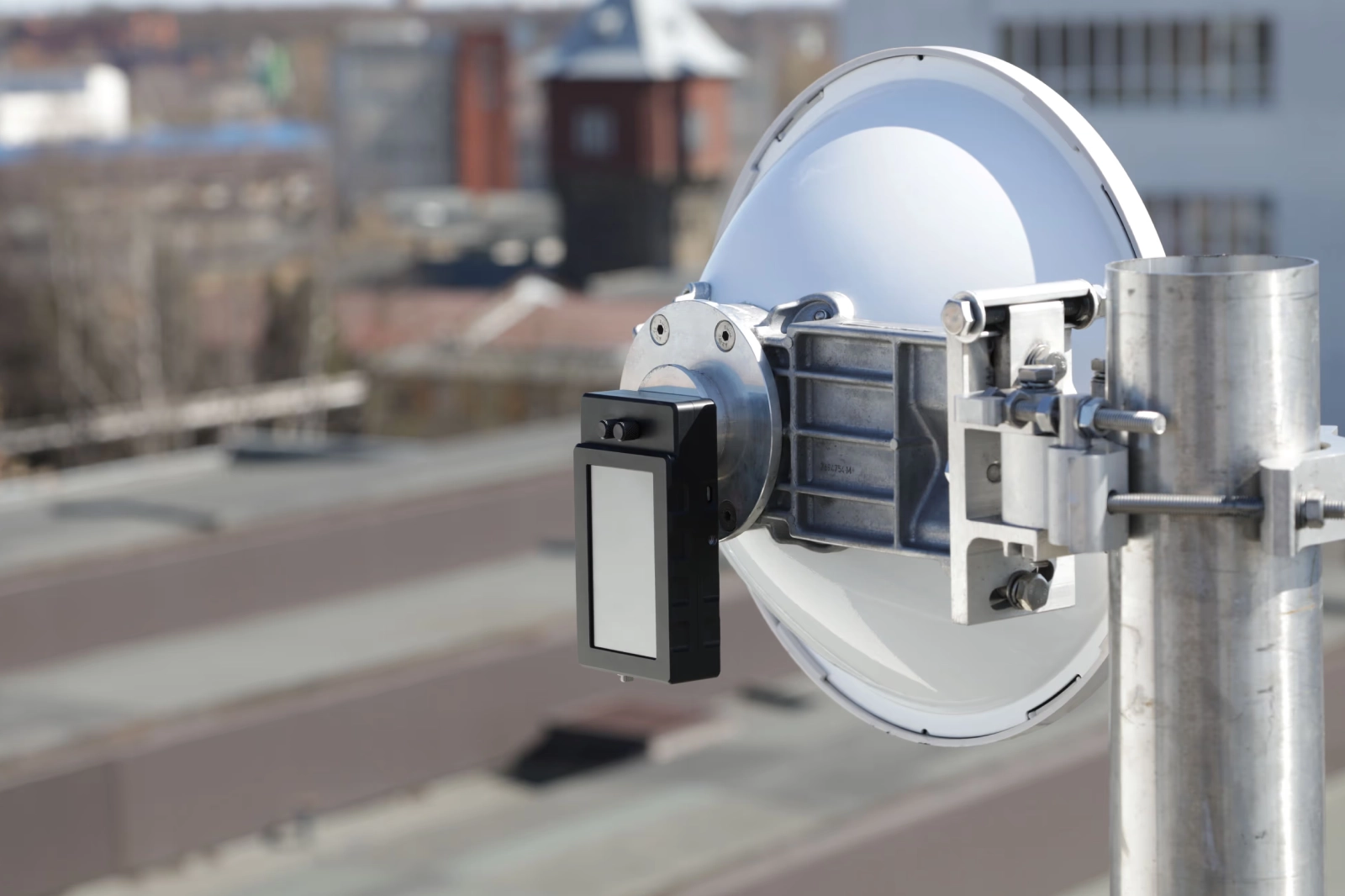
Handheld spectrum analyzers, like Spectrum Compact, act as a field guide for alignment. By visualizing signals in the frequency domain, crews can detect main-lobe versus side-lobe signals, measure power within the channel, and monitor reflections. Features like Max Hold and Power in Band benchmark optimal signal levels for quick, precise alignment.
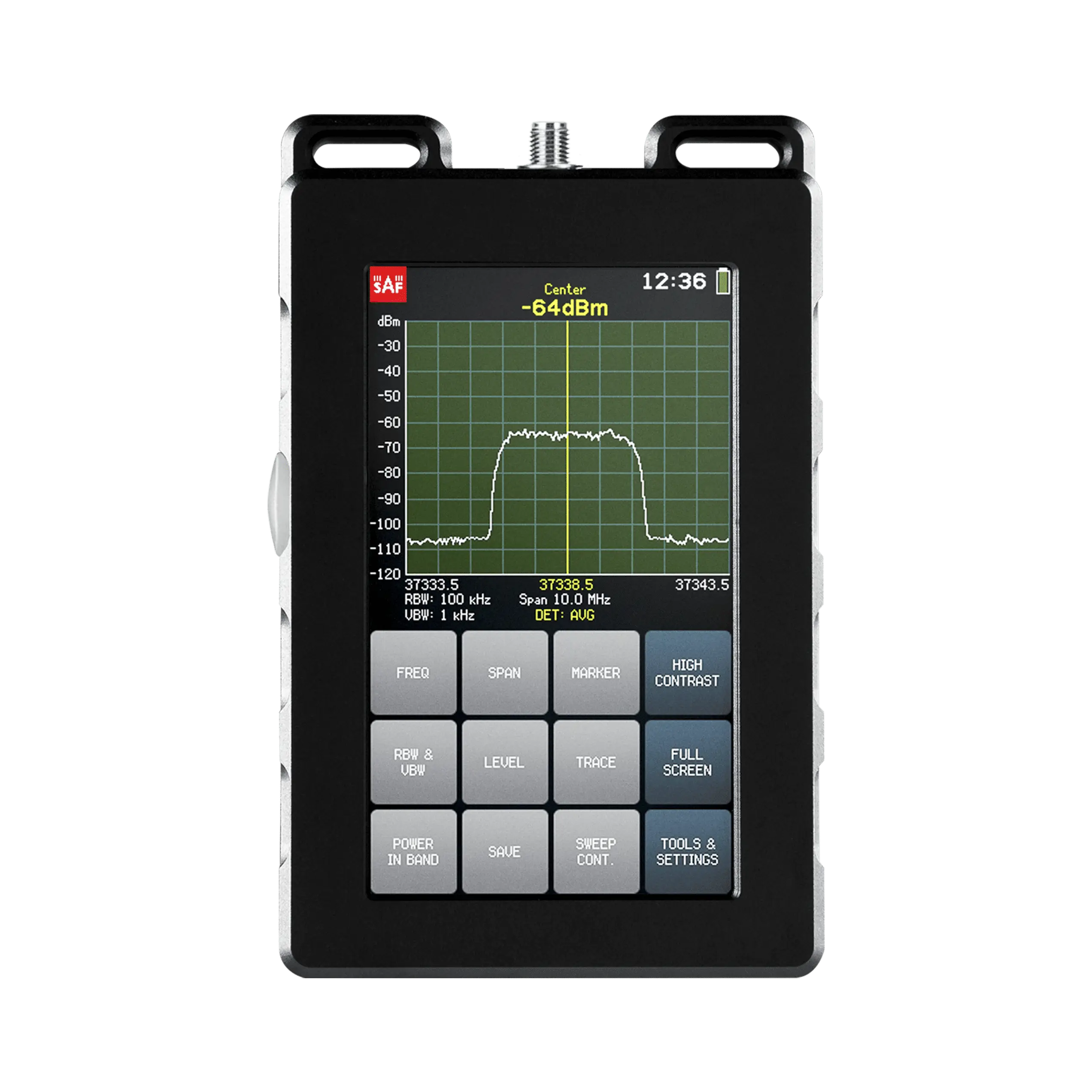


Accurate alignment with a handheld analyzer ensures stable, high-performance links and reduces the risk of repeated tower climbs. Signal measurements can be saved, compared, and analyzed over time, giving teams the data to make informed decisions, plan deployments efficiently, and maintain network reliability. Without this capability, teams risk misalignment, slow troubleshooting, and reliance on cumbersome tools that increase costs and operational errors.
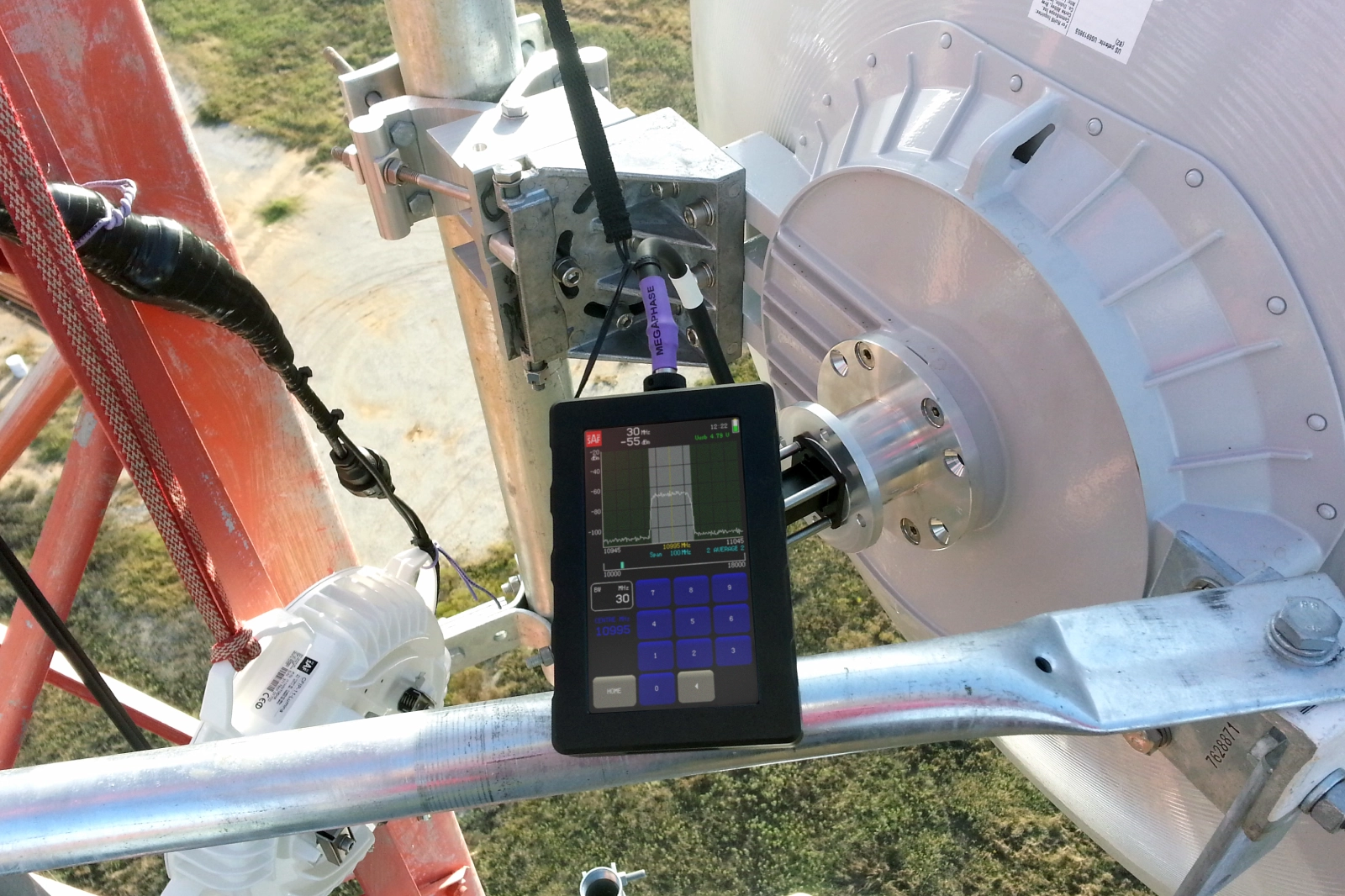
See how the Spectrum Compact simplifies antenna alignment in real-world conditions. Watch our tutorial to learn step-by-step setup, spectrum analyzer configuration, and field techniques to achieve precise, main-lobe alignment quickly and efficiently.